— Bhoomika Bhandari
“Cultivation of mind should be the ultimate aim of human existence.” – Dr. B.R. Ambedkar
Education is a weapon through which the human mind transcends ignorance and gains the ability to reason, question, and comprehend the world around it. This quest acquired considerably more significance for a nation that emerged from nearly two centuries of British colonial rule and as a result of which, education became a vital tool for nation-building rather than just being a social necessity.
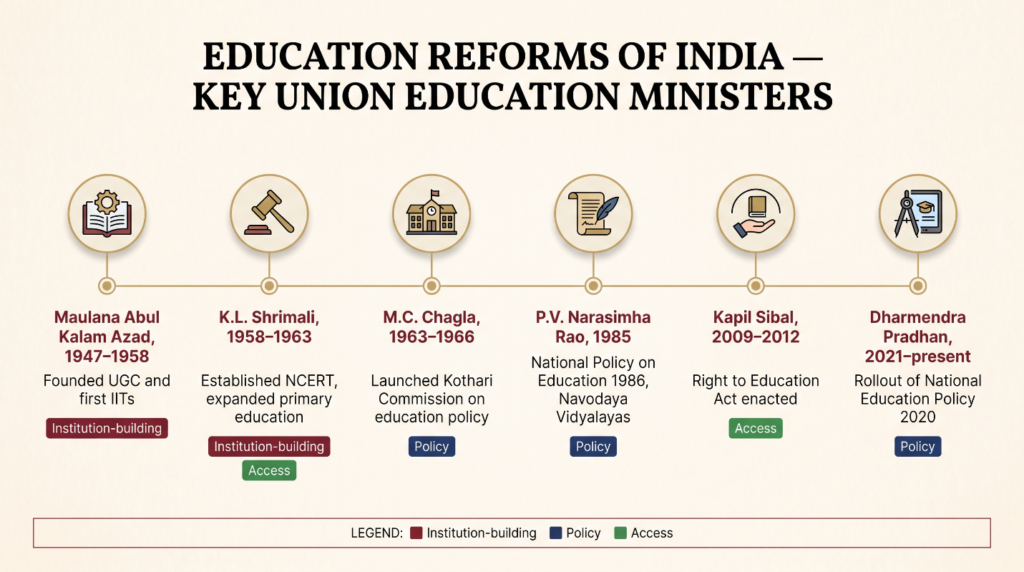
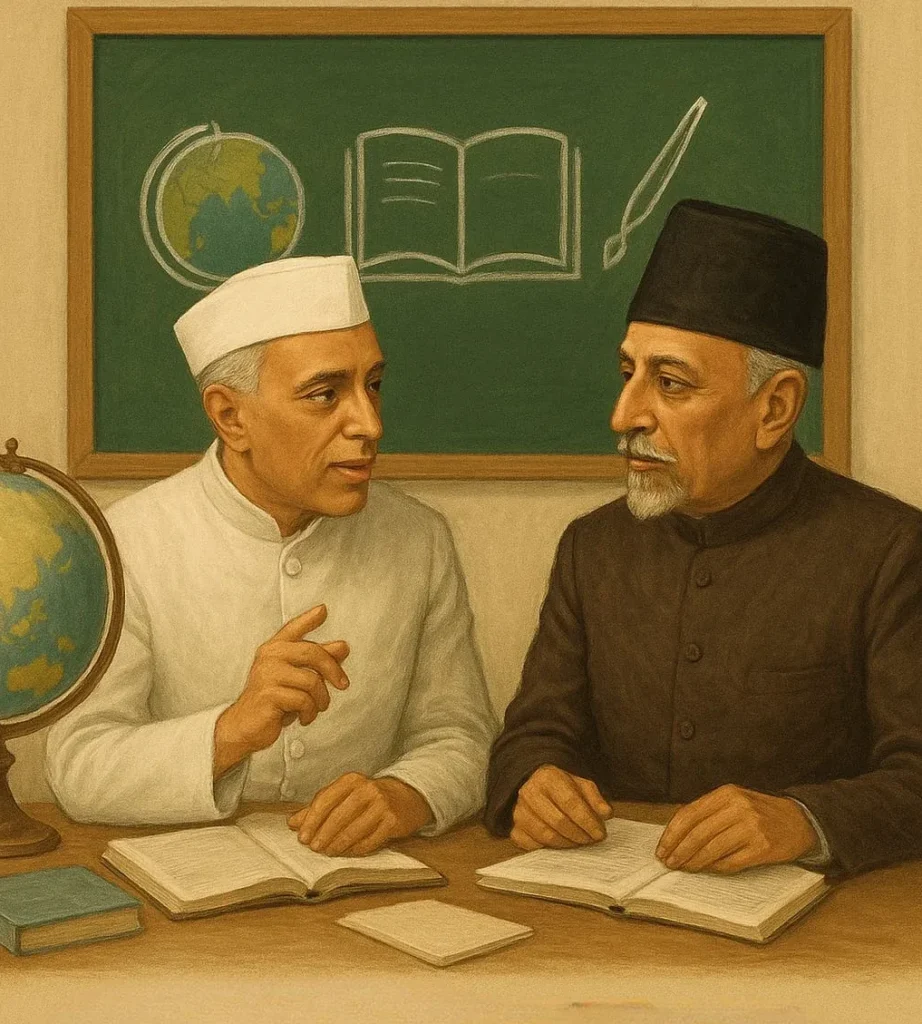
1947–1958: Founding the System — Maulana Abul Kalam Azad
During this formative moment, Maulana Abul Kalam Azad (1947-1958) laid the
groundwork for Indian education system. Known for advocating women’s education, scientific research, universal elementary
Maulana Abul Kalam Azad and India’s founding vision for education–
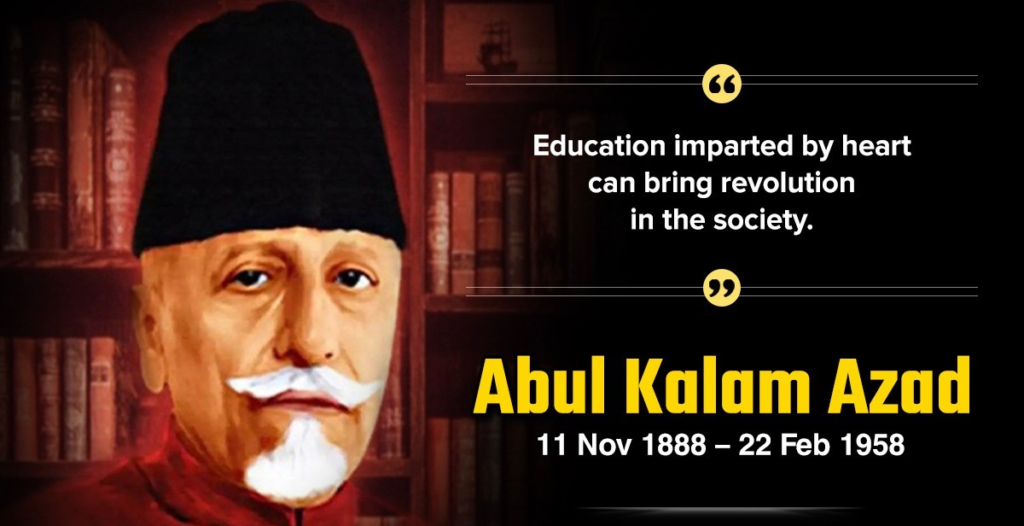
education and adult literacy, Azad pioneered a vision of education for an independent in which learning would serve as a gateway to enlightenment, cultural understanding and technological advancements. However, a journey cannot stop at its starting point. The newly laid foundations came up with a list of challenges, questions and demands that the nation and its education system needed. For almost a decade following 1947, India inherited deeply rooted educational concerns like limited access, lack of educational reforms and many children being deprived of basic schooling despite Azad’s efforts in Indian education.
1958–1977: Laying the Framework
· Dr. K.L. Shrimali (1958–1963)
After the unfortunate demise of Azad on 22nd February 1958, Dr. K.L. Shrimali (1958-1963) took over the title of Union Minister of Education. He carried on Azad’s legacy of creating a cutting-edge educational system. Shrimali centered on encouraging and developing educational opportunities at the school and university levels. He sought to improve rural education infrastructure, supported educational planning, and reinforced teacher training programs to give a boost to the Indian educational framework.
Humayun Kabir (1963)
His tenure as education minister was followed by Humayun Kabir (1963), a well-known educationist and policymaker in post-independence India, actively shaped the nation’s educational system by holding important positions like Education Secretary and making contributions to institutional development and higher education policy.
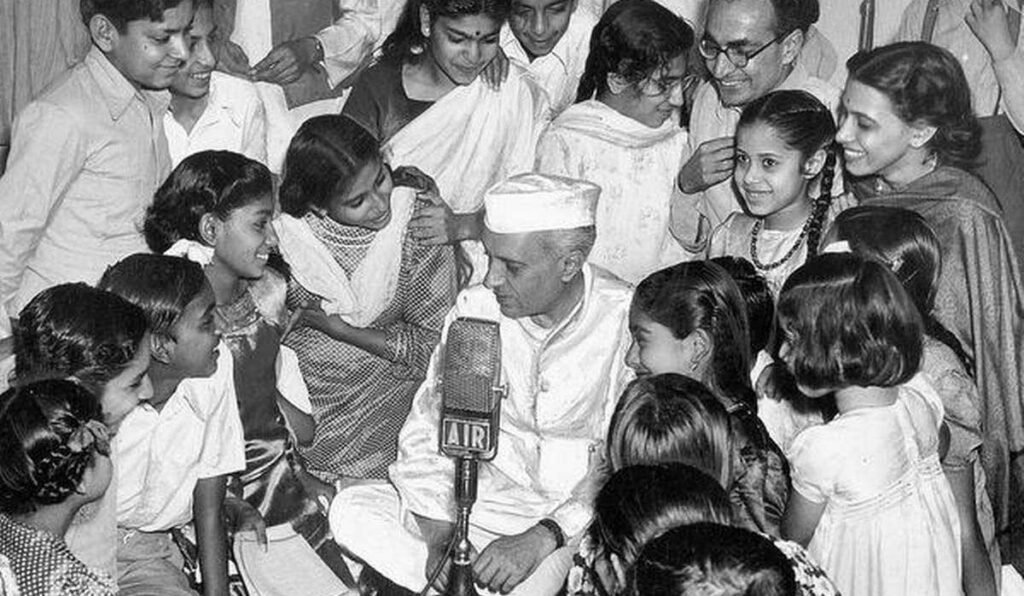
Building on this background, he was appointed India’s Education Minister on September 1, 1963, by Prime Minister Jawaharlal Nehru. However, he was only in office until November 21, 1963, when M. C. Chagla replaced him due to a cabinet reshuffle.
M.C. Chagla (1963–1966)
M.C. Chagla (1963-1966) was a renowned jurist and former Chief Justice of Bombay High court was appointed as education minister of India after the cabinet reshuffle in 1963. Chagla deeply emphasized on the idea of modernizing Indian education system, encouraging a scientific mindset and bolstering secular and liberal principles in education and had major contributions in Kothari Commission.
Fakhruddin Ali Ahmed (1966–1967)
Following M. C. Chagla, Fakhruddin Ali Ahmed (1966-1967) was elected as the education minister and he was in charge of the government’s transition to a more
organized and all-encompassing national education policy, which included actions that would eventually result in the National Policy on Education (1968). His tenure marked the culmination of the first foundational phase.
Triguna Sen (1967–1969)
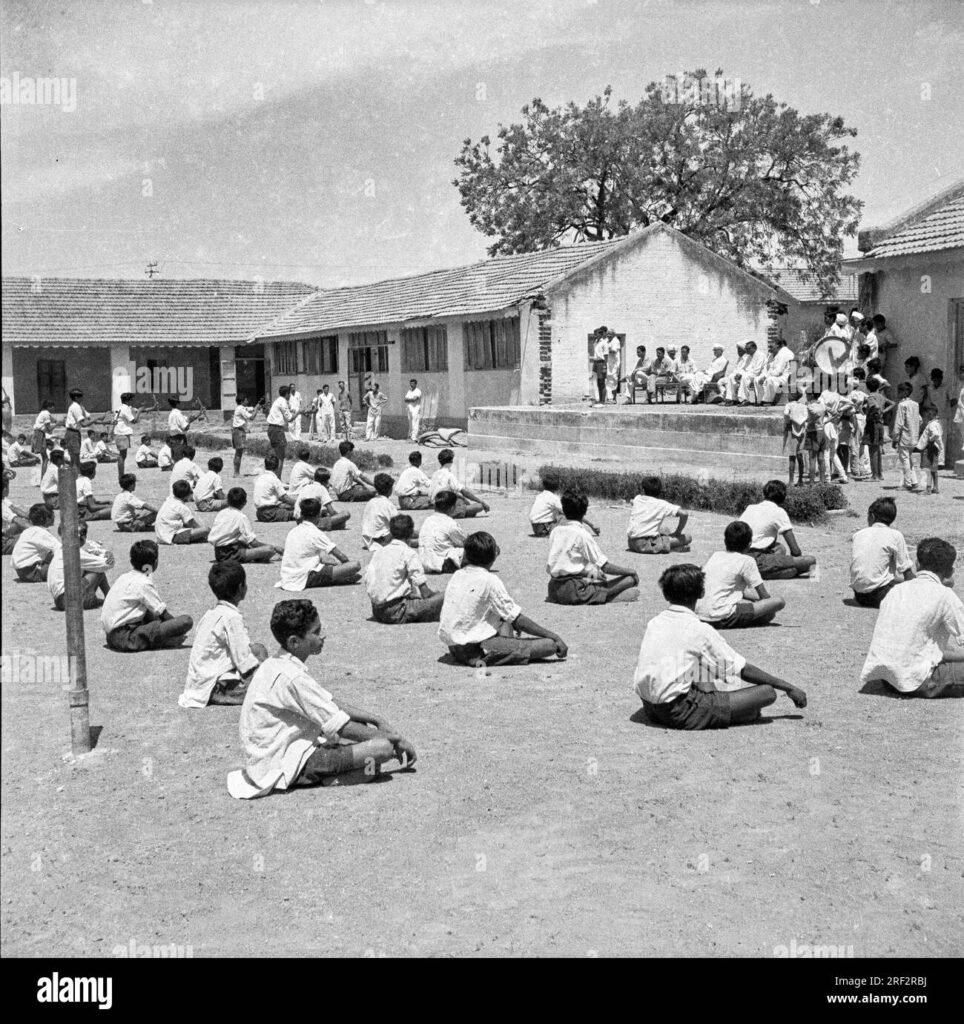
Pic credit @www.alamy.com
The onset of second phase brought great responsibilities and duties for the education system of India. This phase handed over the designation of education minister to Triguna Sen (1967-1969) followed by V.K.R.V. Rao (1969-1971), Siddhartha Shankar Roy (1971-1972) and Nurul Hasan (1972-1977).
Triguna Sen was a strong supporter of the creation of the National Policy on
Education while promoting scientific and modern education by the side.
V.K.R.V. Rao (1969–1971)
V.K.R.V. Rao tried to connect education with economic development by treating education as an investment for India’s financial growth primarily at university and technical institutions level. This was done to help the university and institute students gain technical and employable concepts and skills which would help them in their employment rather than confining them to theoretical knowledge.
Siddhartha Shankar Roy (1971–1972)
Siddhartha Shankar Roy had a very short tenure and because of which he did not really introduce any specific educational reform and thus, his tenure was just marked by administrative continuity.
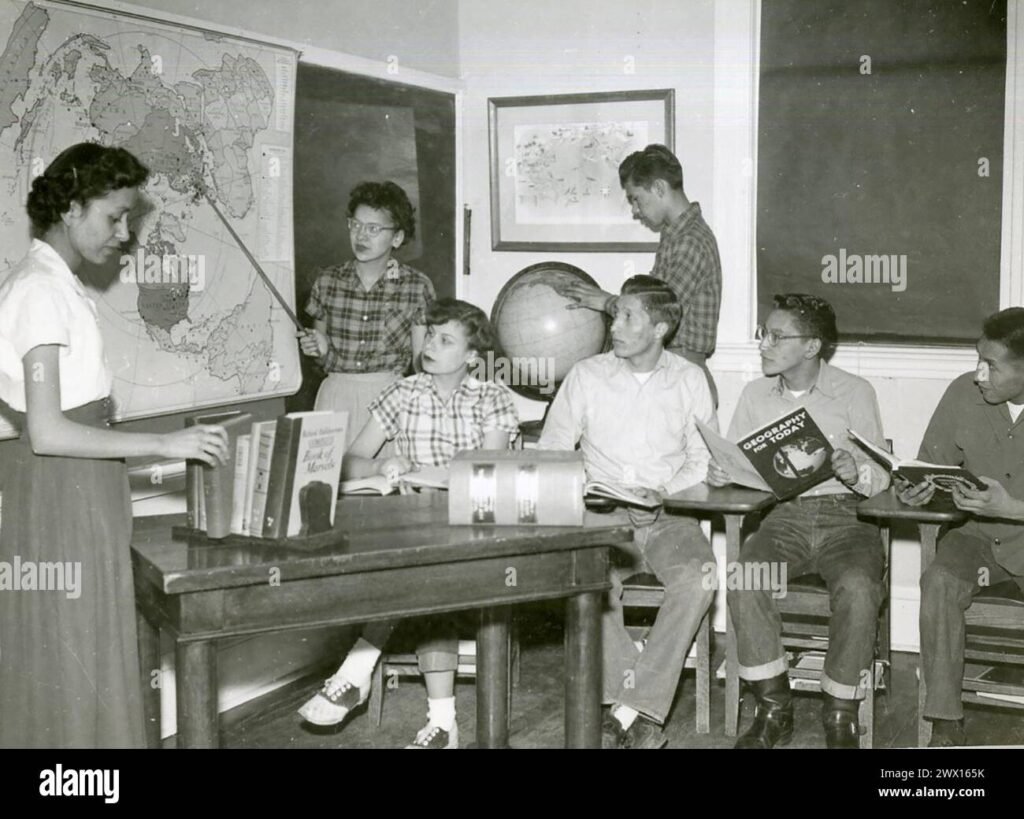
Pic Credit @www.alamy.com
Nurul Hasan (1972–1977)
A more transformative role was played by Syed Nurul Hasan, who expanded higher education, strengthened organizations like the Indian Council of Historical Research and Indian Council of Social Science Research, promoted secular and scientific education and encouraged a more research-oriented and socially relevant academic framework in accordance with larger national development goals.
1977–1991: Access & Equity — Policy Meets Expansion
The era from 1977 to 1991 marks the third phase which demonstrates the connecting link between changes based on policies and academic expansion. This journey took a crucial turn by the mid-1980s, when education began to be seen more and more as an investment in the nation’s human resources.
Pratap Chandra Chunder (1977–1979) & Karan Singh (1979–1980)
Pratap Chandra Chunder (1977-1979) and Karan Singh (1979-1980) stood for continuity by opting an expanding educational system rather than drastically changing it. While Chunder’s tenure was mainly focused on educational administration and growth, Karan Singh placed more of an emphasis on the intellectual and cultural aspects of education. With an emphasis on institutional management, access, literacy, and school education.
B. Shankaranand (1980) and S. B. Chavan (1980-1981) carried on the extension of education. Despite not bringing
about any significant structural change during their short term, they kept the momentum going in the direction of more educational options and set the stage for the reforms of the 1980s.
Sheila Kaul (1981–1984)
To increase access for underprivileged groups, Sheila Kaul (1981–1984) supported the education of girls, the extension of elementary education, and welfare-oriented educational initiatives.
K. C. Pant (1984-1985) promoted education modernization, bolstered scientific instruction, and backed changes to higher education regulations.
P. V. Narasimha Rao (1985-1988) presented the historic National Policy on Education (NPE), 1986, which prioritized women’s education, adult literacy, teacher preparation, universal primary education, and vocational education. During this time, significant programs including Jawahar Navodaya Vidyalayas, Operation Blackboard, and District Institutes of Education and Training (DIETs) were implemented.
P. Shiv Shankar (1988- 1989) strived to improve educational administration and policy execution while carrying out the National Policy on Education, 1986.
During a brief time of political transition, V. P. Singh
(1989-1990) brought the issue of social justice and equality into closer emphasis, while Rajmangal Pandey (1990-1991) maintained the push for literacy, educational access, and improved schooling.
1991–2014: Liberalization & Reform — Education as a Right
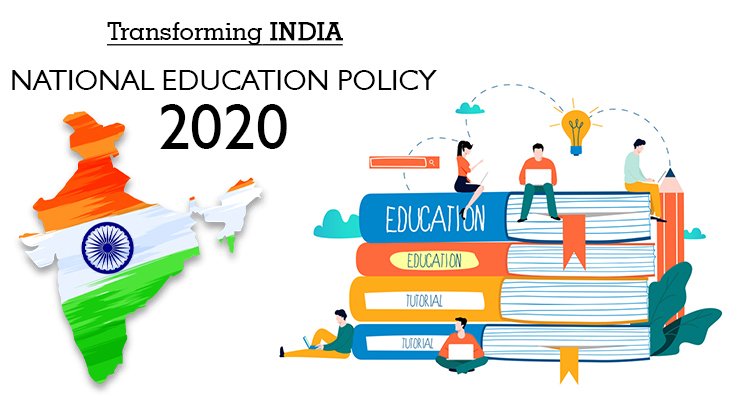
Another important turning point in India’s educational history occurred between 1991 and 2014. Education started to take on increased significance as the nation progressed toward economic liberalization.
Arjun Singh (1991-1994; 2004-2009) contributed significantly to the growth of IITs, IIMs, IISERs, Central Universities, and other higher education establishments.
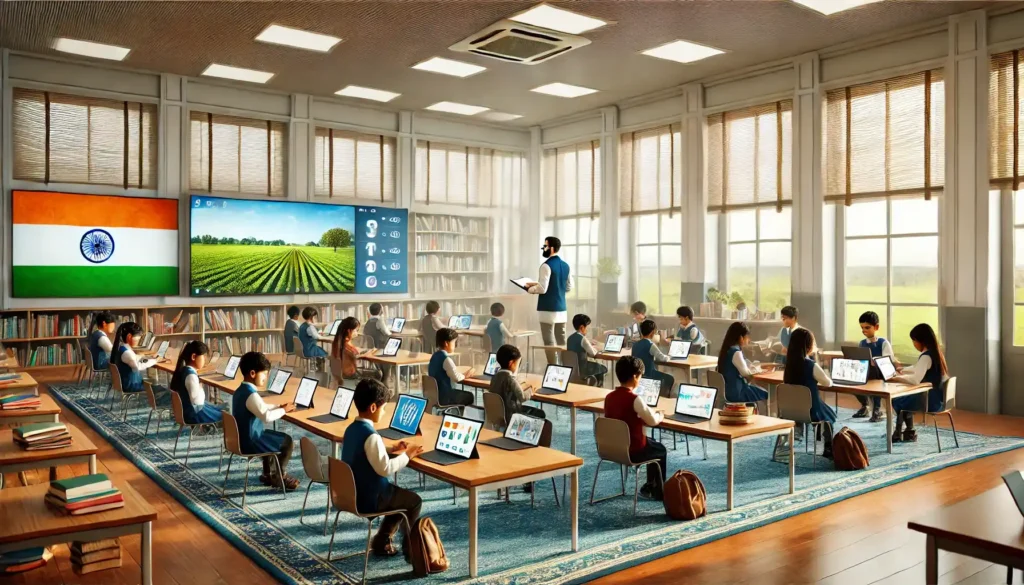
The Right of Children to Free and Compulsory Education Act of 2009 and policies encouraging inclusion in higher education saw significant advancements during his second term in office followed by Madhavrao Scindia (1995-1996)
who concentrated on advancing academic excellence, modernizing institutions, and raising the standard of higher education. S. R. Bommai (1996- 1998) maintained program execution and strengthened educational administration.
Murli Manohar Joshi (1998-2004) proposed curricular changes through the National curricular Framework (NCF), 2000, expanded the Sarva Shiksha Abhiyan (SSA), and encouraged science and technology education.
Kapil Sibal (2009-2012) was instrumental in putting the Right to Education (RTE) Act of 2009 into effect. He supported technology-based learning, pushed reforms in higher education, and implemented the Continuous and Comprehensive Evaluation
(CCE) system in addition to the CGPA-based grading system for CBSE Class 10 exams.
M. M. Pallam Raju (2012–2014) concentrated on raising the standard of educational institutions, fostering skill development, increasing access to higher education, and strengthening teacher education.
2014–2026: The Digital Era & NEP 2020
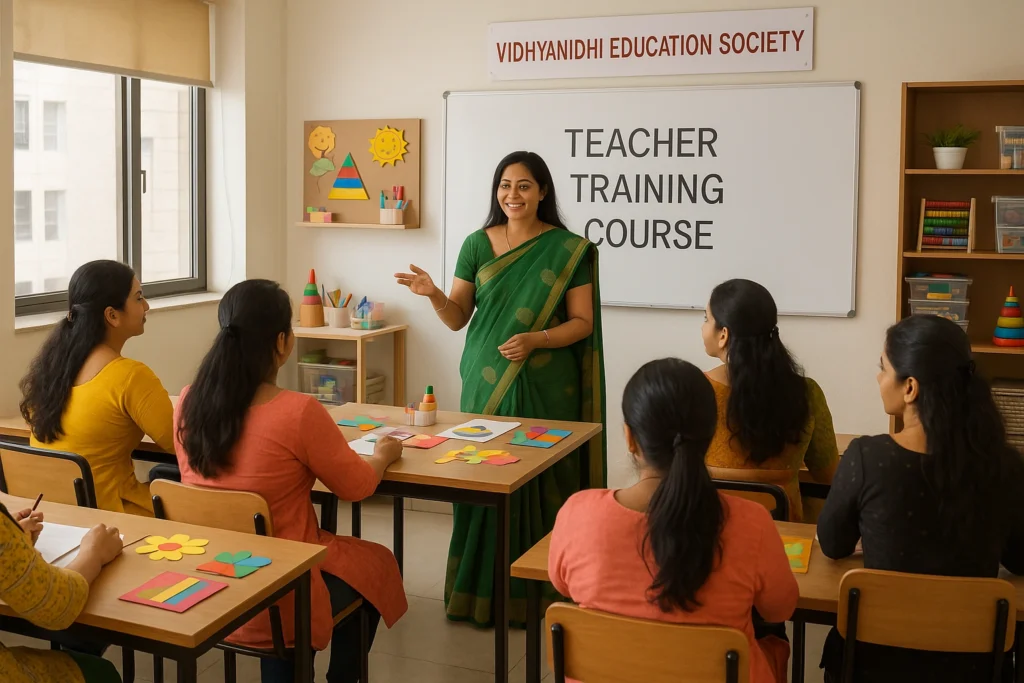
India’s educational path had achieved yet another milestone by 2014. Determining what sort of education India needs for the twenty-first century was the next problem after the previous decades had increased access and progressively established education as a right.
An educational system that could transcend traditional classrooms and strict disciplinary bounds was required due to rapid technological progress, a more youthful population, changing work patterns, and the growing significance of innovation. Smriti Irani (2014-2016) encouraged innovation, enhanced school education programs, supported digital education initiatives, and concentrated on raising educational standards. Prakash Javadekar (2016-2019) enhanced learning outcomes in schools, fostered digital classrooms, supported research and innovation, and expanded technology-based education through programs like DIKSHA.
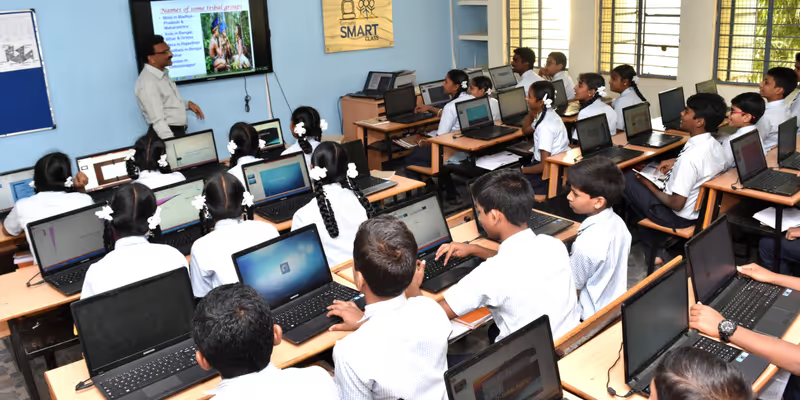
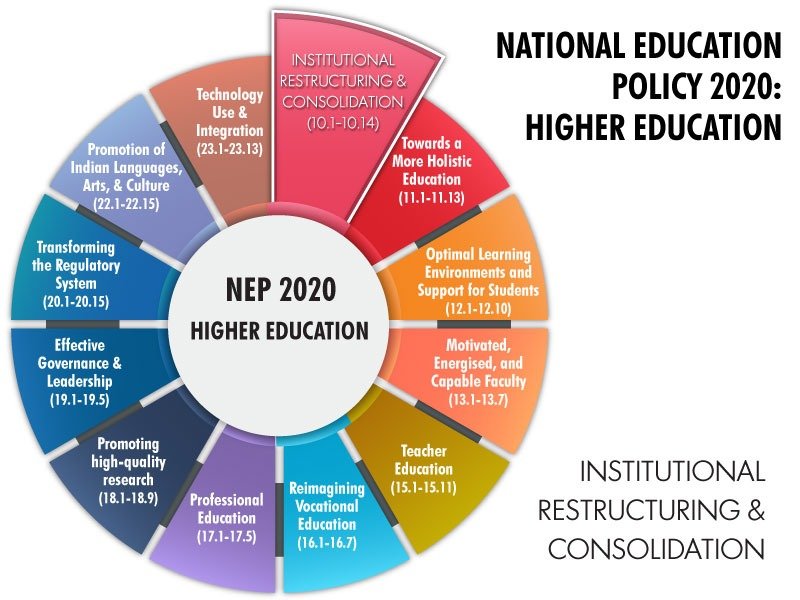
Ramesh Pokhriyal (2019-2021) oversaw the National Education Policy (NEP) 2020’s adoption and first implementation, which was one of India’s largest educational reforms. The Ministry of Education replaced the Ministry of Human Resource Development during his administration.
Dharmendra Pradhan (2021-2026)
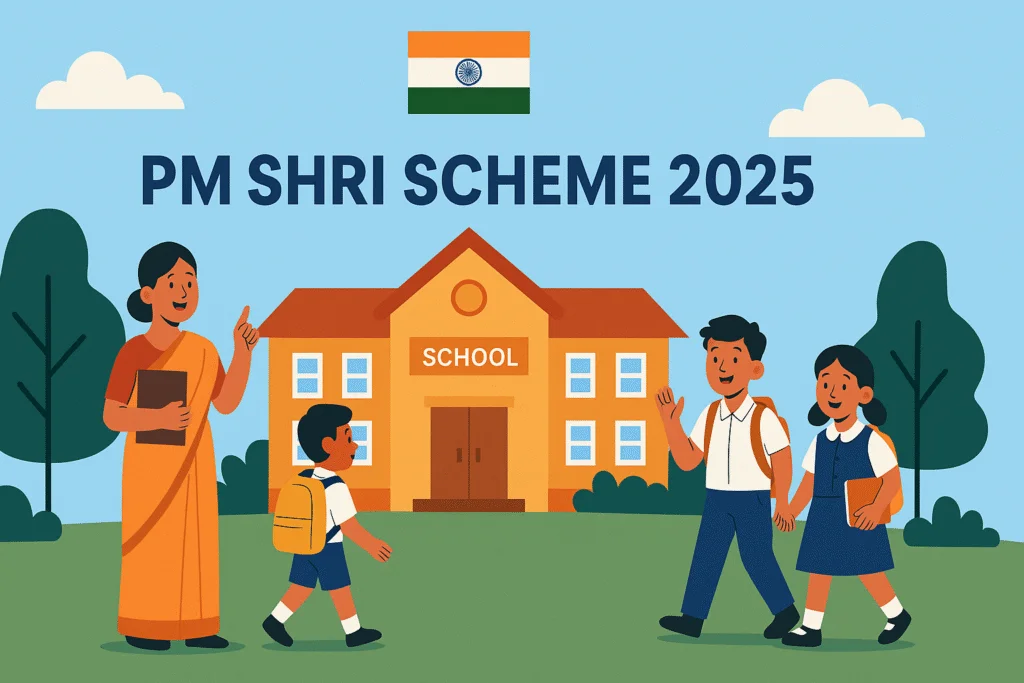
Hefocused on transdisciplinary education, skill development, digital learning, multilingual education, research, and innovation while overseeing the execution of NEP 2020. PM SHRI Schools, the National Curriculum Framework, the Academic Bank of Credits, the National Credit Framework, and bolstering research through the Anusandhan National Research Foundation (ANRF) are just a few of the programs he has overseen.
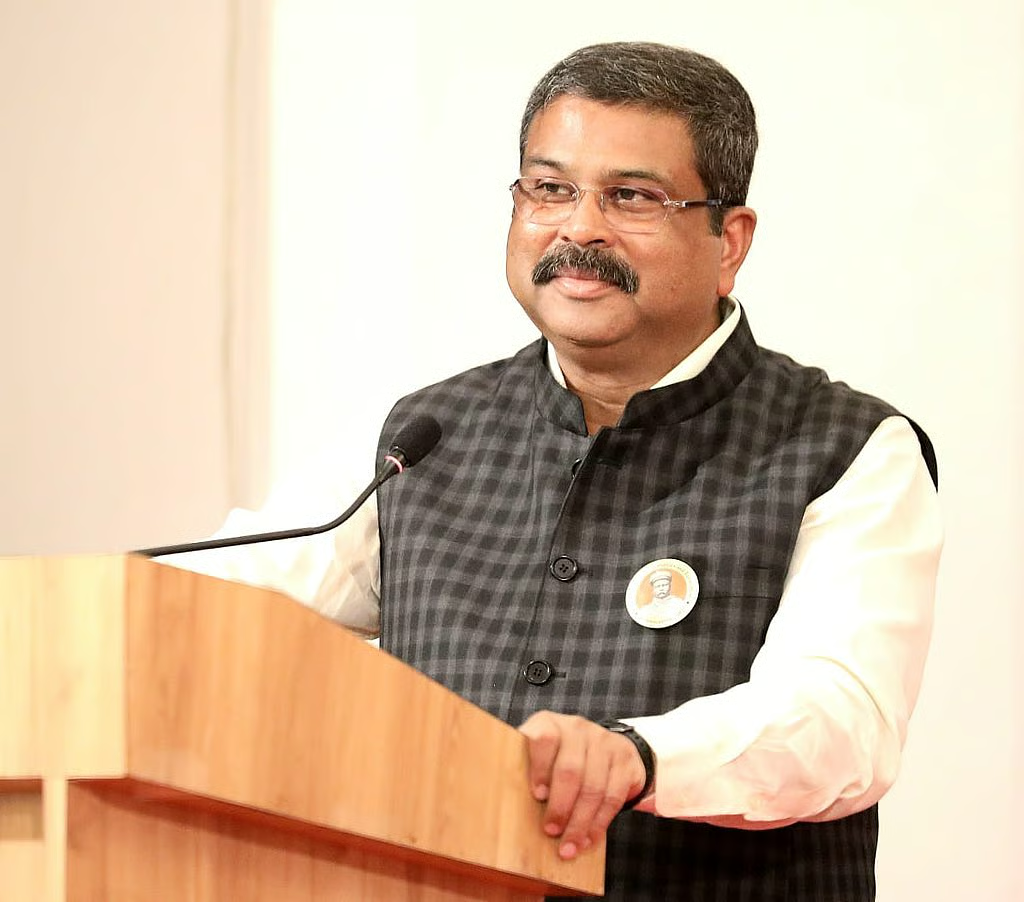
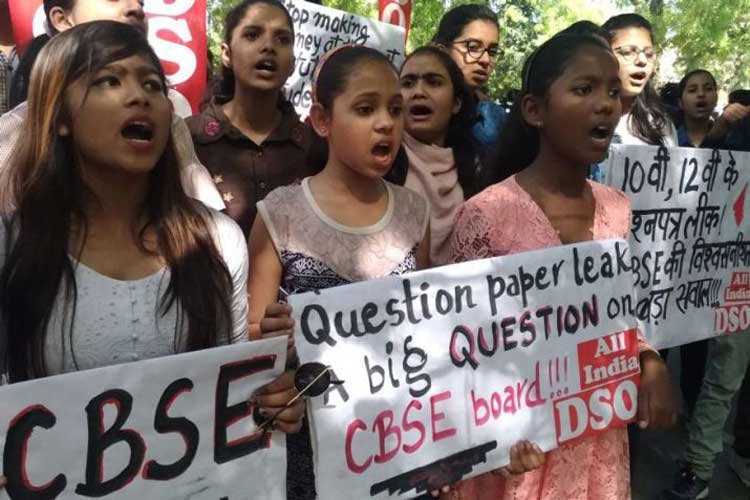
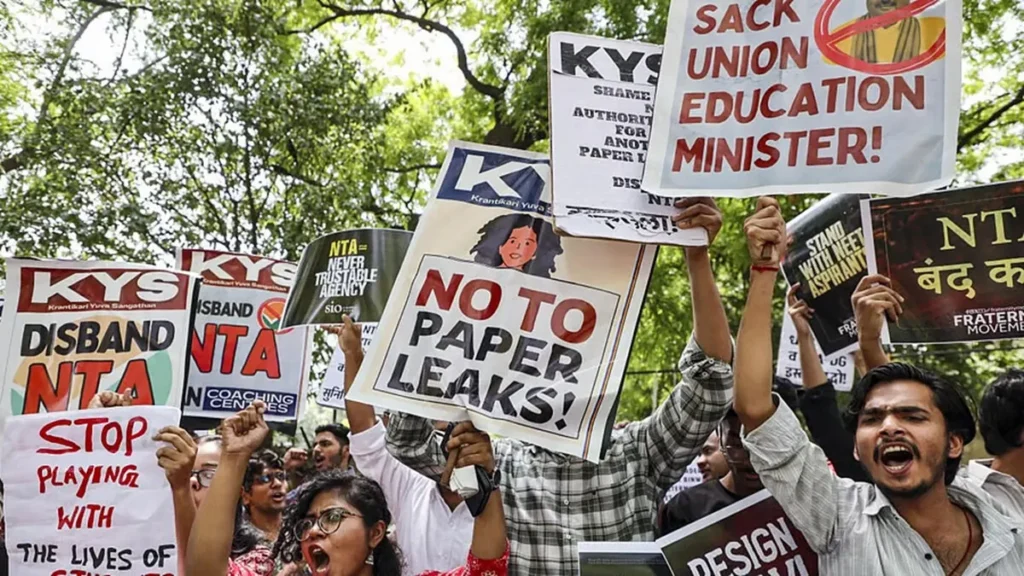
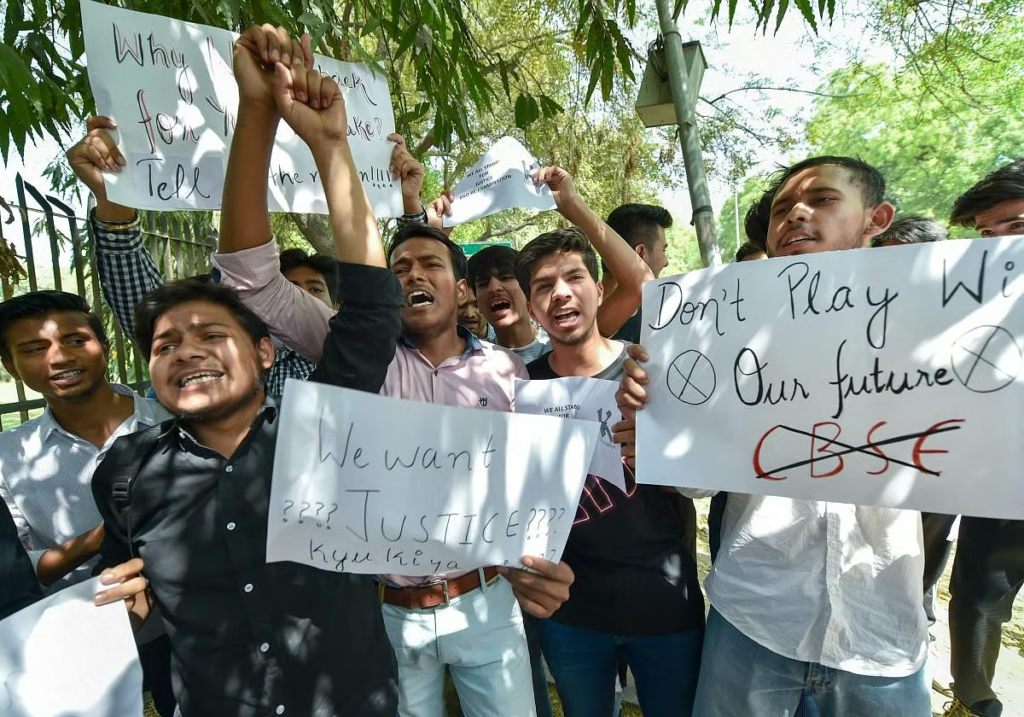
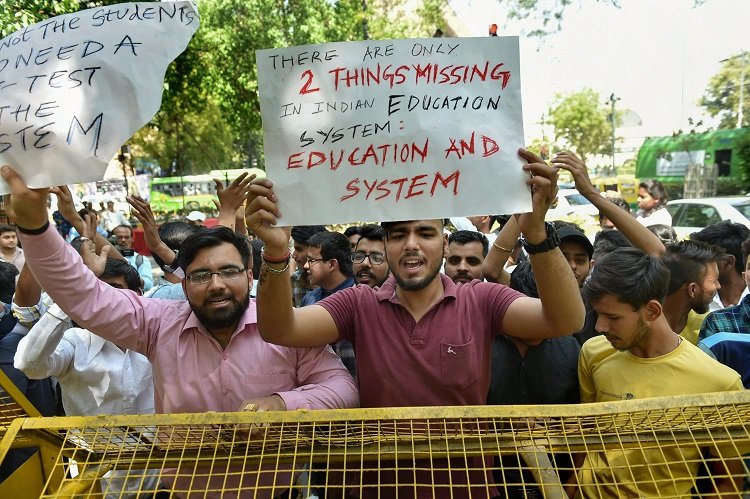
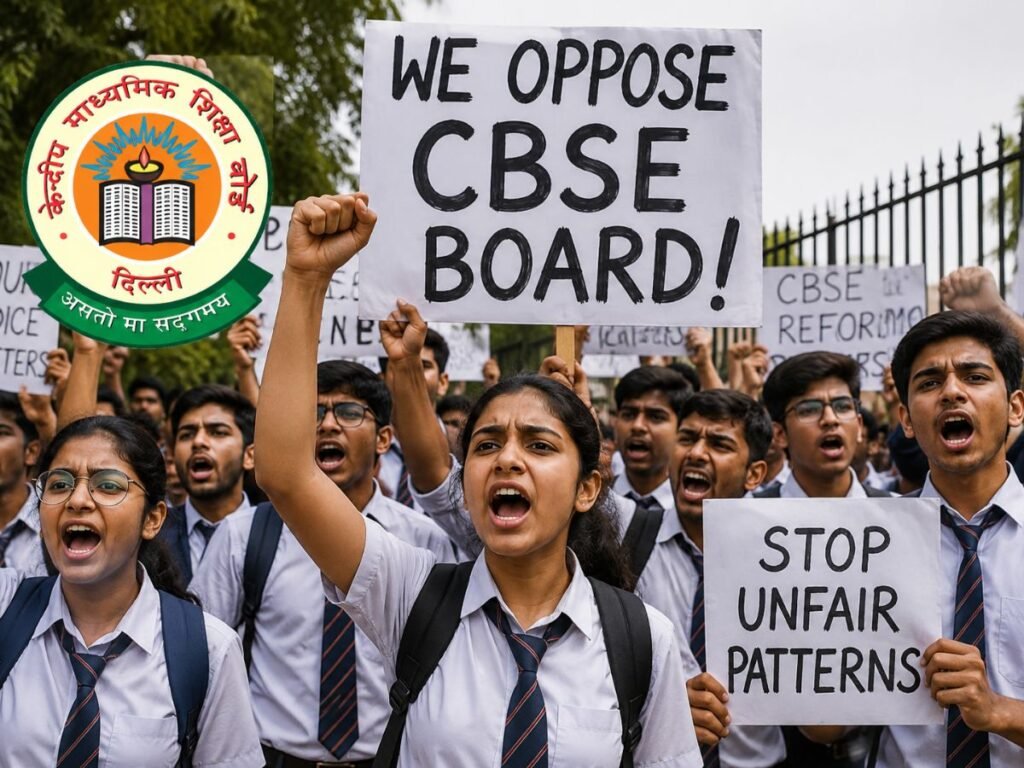
He formally resigned from his position on July 25, 2026, in response to the widespread countrywide student protests for accountability and the paper leaks concern.
Pralhad Joshi (since 2026)
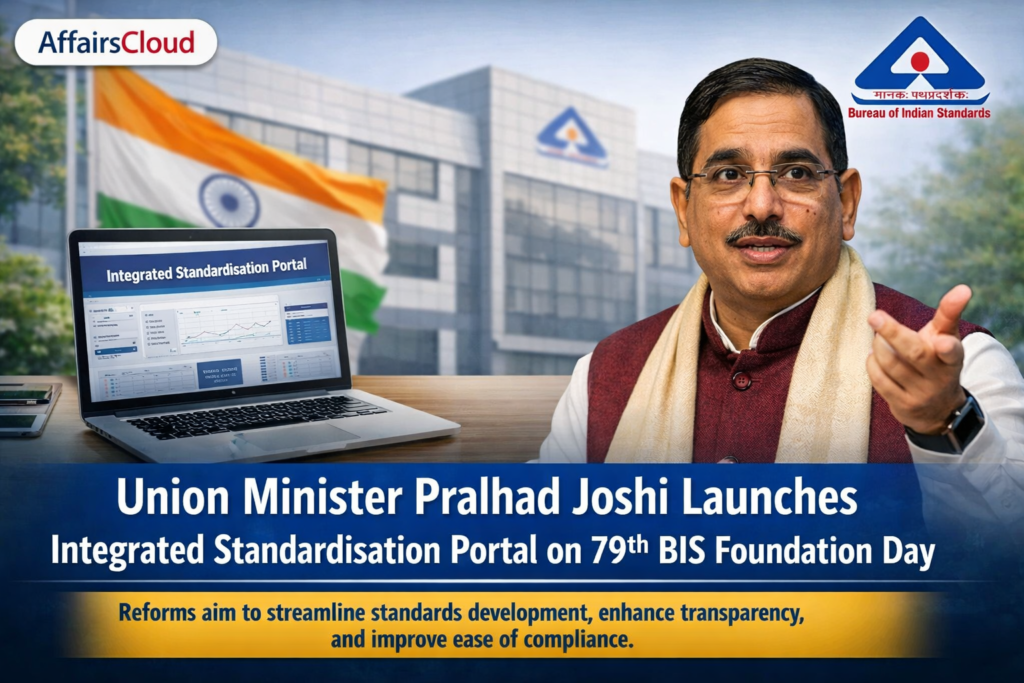
following Dharmendra Pradhan’s departure was given new responsibilities by the Indian Ministry of Education after becoming the new education minister of India. In conclusion, India’s educational path has seen continuous change, from the groundbreaking ideas of Maulana Abul Kalam Azad to the revolutionary goals of NEP 2020.
Building institutions, expanding access, advancing equity, acknowledging education as a right, and ultimately reinventing learning for the future are all aspects of the country’s educational narrative that each education minister added after taking on the difficulties of their respective eras.
The road is far from over; education continues to serve as a reflection of India’s evolving goals and a means of influencing the country’s future.